



March 16, 2026
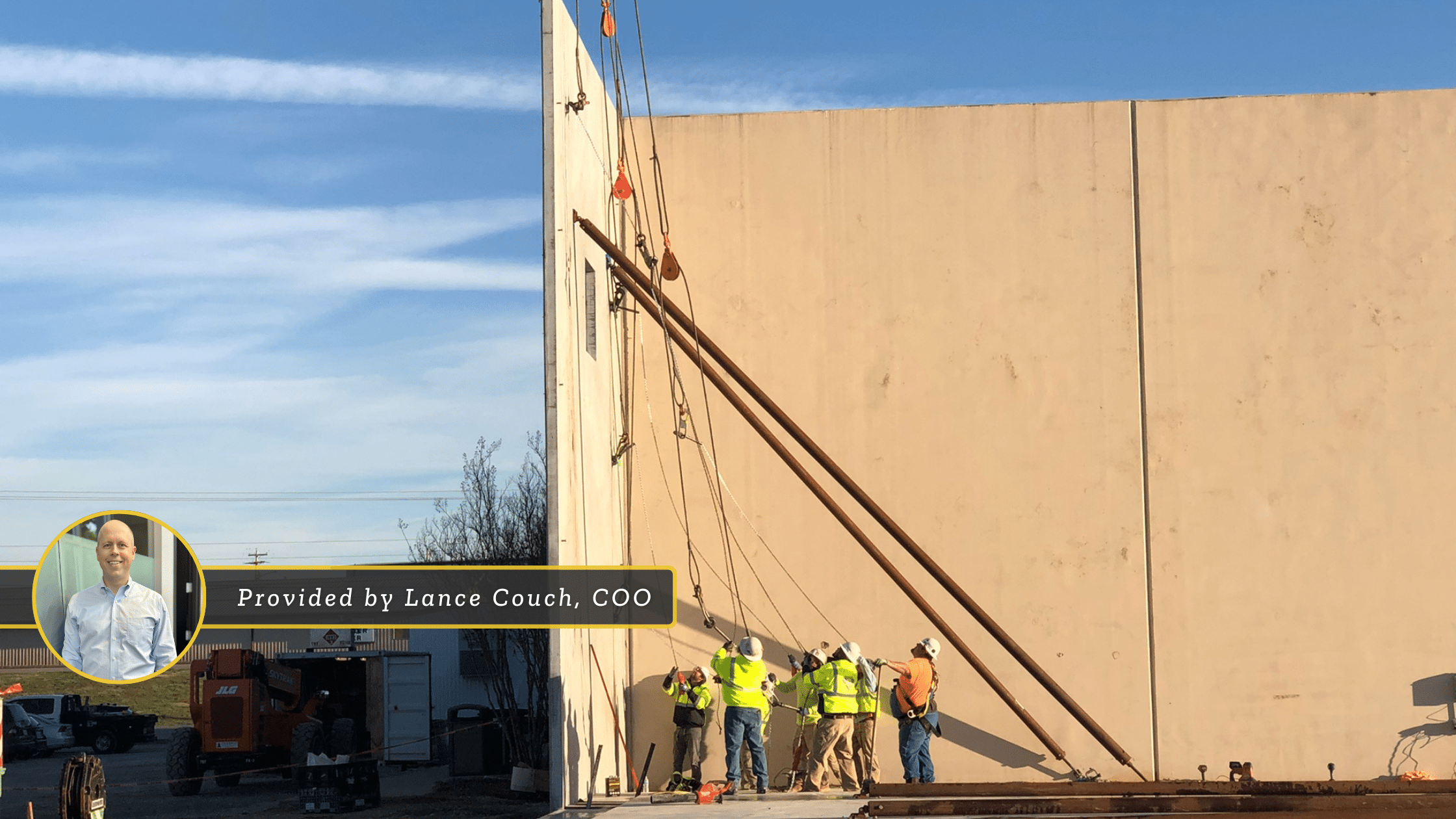
Provided by Lance Couch, COO
You can usually tell within the first few minutes of walking onto a jobsite whether a project is healthy or headed toward trouble.
Not by reviewing the schedule.
Not by studying the budget.
But by listening.
Listening to how people talk about problems.
Listening to how they talk about progress.
Listening to how they talk about each other.
Those conversations often tell you far more about the health of a project than the formal KPIs we spend so much time discussing.
In my career I’ve learned this lesson more than once, and it wasn’t until I had a light bulb moment years ago that I found what I believe to be the heart of the problem and repeatable solution.
On an advanced technology project from my past, we came out of the gates fighting.
Just not fighting the right things.
We knew the job was going to be difficult.
We knew our staff was stretched.
We knew some of our trade partners weren’t fully prepared for what was coming.
So, when the first struggles appeared, we did what our industry often does.
We started writing letters.
Instead of identifying and resolving process problems, we identified people as the problem. We built lists explaining why slow progress wasn’t our fault. We began gathering allies for the fight that seemed inevitable. Before long, we had all retreated to our corners, documenting positions and preparing to battle each other instead of the problems the project was actually facing.
Sound familiar?
Instead of building a complex project together, of which we would all be proud, we were spending hours documenting every infraction… and when teams get into that mode, progress slows to a trickle.
But something changed.
Through intentional work – honest conversations, re-alignment, and a lot of effort – we began to recognize something important. The people across the table were working just as hard as we were. They weren’t the enemy; the problems were.
Once we started approaching the job that way, solving problems together instead of documenting why they existed, the project began to move forward much faster. Eventually we became the best team and it became the most successful project I’ve ever been associated with. And frankly, life became a lot easier and a lot more fun.
I wish I could say the work to focus on the team was my idea, but it wasn’t. I was like many who thought a good team was just a stroke of luck. But today, I’m so lucky that others encouraged us to move toward something different. I will share more about that process in the future but first, I want to share something the experience showed me that I’ve seen repeatedly over the years.
I sometimes think of it as the First Five Test.
Within a short time (like 5 minutes) on the project, a few simple signals start to appear:
1. Team Engagement
Are people coming to meetings and huddles to engage and solve problems, or because the contract says they have to be there?
On high-performing projects, coordination meetings feel different. People show up prepared. Foremen speak up. Teams offer solutions. Partners are constantly collaborating.
On struggling projects, the room often feels quieter. Updates are short. Participation is minimal and forced. People attend because they are obligated to, not because they believe the meeting will move the project forward. Has anyone ever seen a great team that doesn’t engage with their teammates?
2. How the Team Communicates
When a problem arises, do people pick up the phone, or fire off an email? High-performing teams tend to call each other first. They talk through issues and look for solutions together.
On more transactional jobs, the “email cannon” comes out quickly. Messages get copied wider and wider, and communication shifts from solving the problem to documenting positions. Email has its place. But it’s rarely the fastest way to solve a construction problem.
3. Ownership
Listen for how people describe project challenges. Do you hear: “That’s not our scope.”
Or do you hear: “Let’s figure out how we solve this.”
On strong teams, the mindset shifts from protecting myself to protecting the project. A rising tide floats all boats.
As you listen to your project teams, if you don’t like what you hear remember you don’t have to start perfectly. I certainly didn’t start perfectly. But you do have to be willing to change what it means to be on a team. A real team.
In my experience our teamwork or lack thereof shows up long before schedule or budget metrics. By the time the traditional metrics begin telling you something, the team dynamic has likely been pointing toward trouble for months.
I hope the First Five Test can help you focus on building the team. With a good team, the problems will take care of themselves and you can leave the fighting to others.
This is the first of a series in which I plan to dive into high-performing teams in construction so that we can see what tends to separate projects that merely survive from those that truly perform.