



January 21, 2026
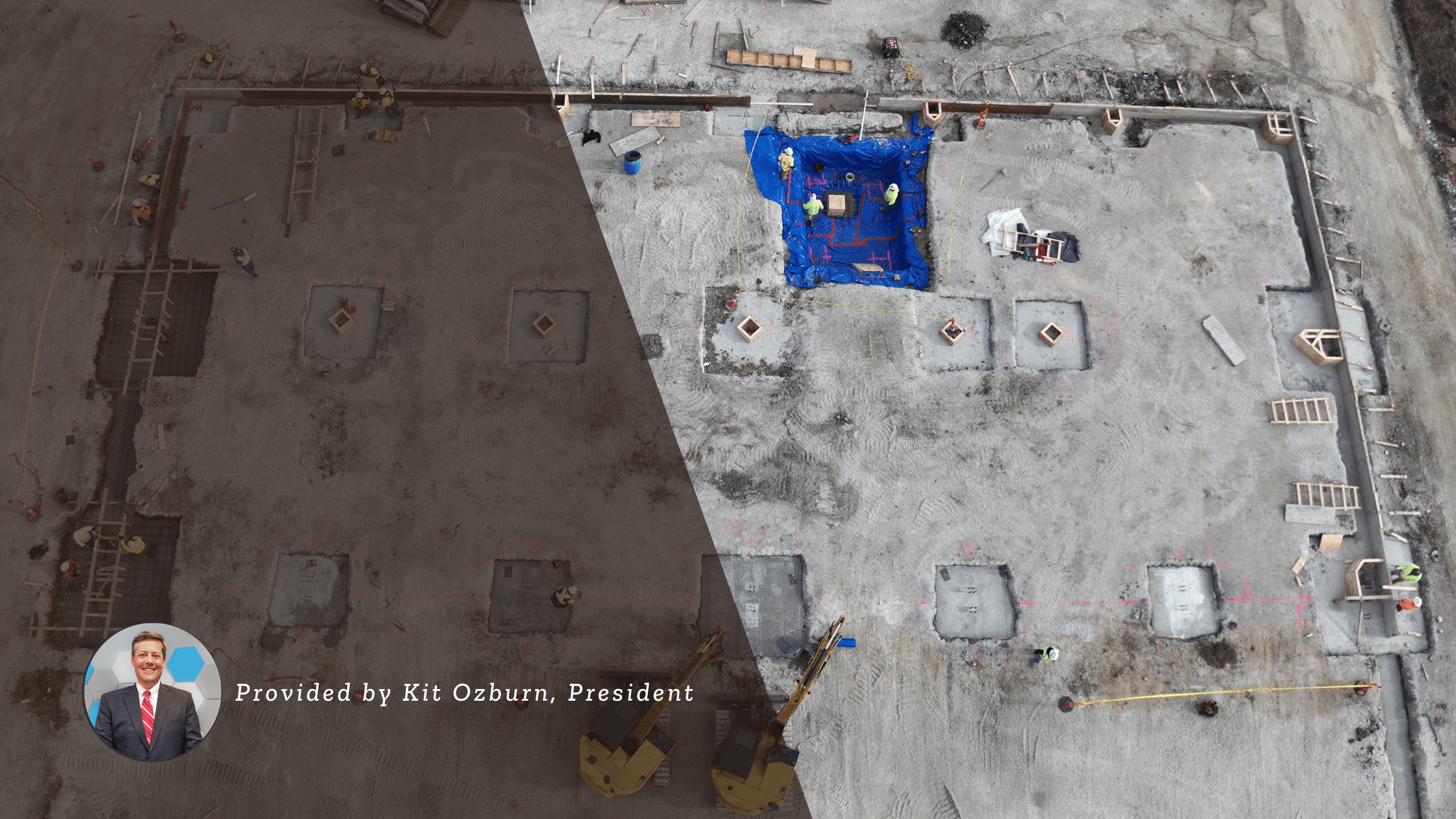
Provided by Kit Ozburn, President
Who is responsible for preserving the dignity of craft labor? Few would say with their words that they do not value craft labor, but how do the actions of an industry reflect this belief? In this modern age with technology, connectedness, and artificial intelligence advancing an ever more accelerated pace, I am afraid that construction industry leaders have accomplished incredibly impressive buildings, but all the while, we have sacrificed the wellness of the trades.
If we truly value craft labor, then preserving the mental health and dignity of the trades must be a leadership responsibility, not an afterthought.
Throughout ancient times, the master-builder was celebrated in positions of esteem as caretakers of culture and significance. In Biblical literature, the first human described as “filled with the Spirit of God” is a craftsman. Bezalel was admired by his skills “to make artistic designs for work in gold, silver and bronze, to cut and set stones, to work in wood, and to engage in all kinds of crafts.”
Japanese culture captures an exemplary definition with “takumi”, which encompasses an even broader degree of skills with art, sculpture, and design. A status requiring over 30,000 hours of practice to achieve, Takumi are even believed to elevate their product to a state of being transcending the physical realm with a spiritual connection to the craft.
Somewhere between honoring the master-builder and chasing modern efficiency, we lost something essential. If our culture regarded craft like Bezalel or takumi, construction mental health rates would surely rank statistically near the top of all industries. Sadly, this is not the case.
With the highest rate of overdose, the second highest rate of suicide, and nearly half of the working population reporting anxiety or depression, the construction industry desperately needs change… The honored stigma of toughness suppresses an openness to admit the need for help such that only 1 in 20 suffering from anxiety or depression ever seek help.
Yet this reality does not have to define our future. The same industry that solves complex problems every day; coordinating people, materials, schedules, and risk to deliver extraordinary work, has the capacity to do better for its people. When leadership chooses clarity over chaos, support over silence, and dignity over grind, meaningful and lasting change becomes possible.
Long hours. Challenging conditions. Isolation through travel. Relentless physical strain.
The recipe is far too common and hallmarks of a career in craft labor. Too often, craft teams are saddled with unrealistic milestones, with insufficient resources, and with underdeveloped support systems. To their remarkable credit in the face of countless difficulties, the master-builders find a way. But more often than not, the human cost is revealed in the lives of our treasured trades people.
Leaders, change will only start from us. This is not a workforce issue. It is not a generational issue. It is a leadership issue. Continuing to turn a blind eye to this reality is an abdication of leadership. I hope you will join me in demanding more.
The encouraging truth is that leadership is also where progress can begin. Culture is shaped by what leaders tolerate, what they prioritize, and how they show up, especially under pressure. When leaders intentionally build environments that support the whole person, craft professionals can thrive without sacrificing their health or identity.
Start with open conversations, draw these issues out of isolation, develop clear expectations about workload, accountability and options up and down all levels within your organization. Do you regard the mental health and wellbeing of the craft teams with as much attention as you give your shop drawing review and your contract evaluation? Leaders in our industry must return to a culture of holistic excellence, not only in the quality of the built environment but even more so in the sustaining support of the craft.
If we want the future of construction to be strong, sustainable, and worthy of the people who build it, leadership must evolve.
Strong companies don’t just build tough people, they build healthy environments.